
Our intellectual property practice turns source code, firmware, and silicon into technical evidence for patent, copyright, and trade secret matters.
Who we work with
Five kinds of clients engage us. Choose one to see the services that apply.
Litigation counsel
Law firms for either side, from pre-suit analysis through trial.
See services →Patent owners
Non-practicing entities, universities, and inventors assessing or asserting a portfolio.
See services →Operating companies
Companies with large patent portfolios that run licensing campaigns with other operating companies.
See services →Funders and acquirers
Investors and buyers who need an engineering assessment before they commit.
See services →Companies responding to a claim
Companies assessing an assertion or licensing demand against their products.
See services →Three areas of IP litigation
We support plaintiffs and defendants in patent, copyright, and trade secret disputes. The engineering is different in each.
Patent
We compare claim language with how a product works, using its source code, its firmware, or the device in operation, for infringement, non-infringement, and invalidity analysis.
Copyright
We compare codebases to analyze alleged copying, and we analyze how software protection and license controls work in anti-circumvention (DMCA) claims.
Trade secret
We compare the parties’ codebases in misappropriation disputes, and we analyze whether a claimed secret can be recovered from the shipped product by reverse engineering.
What we do
Seven services across the life of an IP matter. Engage us for one or for several. Each stands on its own.
Expert witness & testimony
Declarations, expert reports, deposition, and trial, on both plaintiff and defense sides. The engineering has to hold up under cross-examination.
We work across U.S. district and state courts, the ITC, PTAB, and the European Unified Patent Court, and prepare the written record that supports it.
Source code review
Structured review of produced source code in litigation. We work in the secured review environment, compare the code to the claim elements, and document what we find with citations to file, function, and line.
Our reviewers are engineers with development and reverse engineering experience in the technologies they review. That background is how we locate where a feature is implemented in an unfamiliar codebase and follow it across firmware, operating system, application, and server code. We have reviewed codebases ranging from embedded firmware to distributed systems, in patent, copyright, and trade secret matters. Every engineer on our team reads and writes production code, and a core group has extensive experience reviewing code produced in litigation. They are marked on our Team page.
Counsel and testifying experts receive material that is organized, traceable to specific files and functions, and ready to use in reports and at deposition.
Software and firmware reverse engineering
We analyze the software a product runs: mobile and desktop applications, firmware, operating system components, and trusted applications. We disassemble and decompile the code, instrument it while it runs, and document how the accused feature works.
Sometimes the code is a download away, as with an app or a firmware update file. When it is locked inside a device, our bench work gets it out: teardown, flash extraction, and console access are the means of reaching the code.
For questions about the hardware itself, we work out how a chip or SoC operates from its public documentation, such as datasheets and reference manuals, and can often prepare claim charts from that. Where a matter calls for physical chip analysis, such as decapsulation or circuit extraction, we team with specialist labs.
This is also how the technical record is built in European matters where discovery is not available or for pre-litigation analysis in the U.S.: the evidence comes from the product itself. Our eight-step workflow runs from product acquisition to an Evidence of Use document, recorded at a level counsel can follow and another expert can verify.
Reverse engineering workflow
Steps 2 through 4 apply when the code has to come off a device. An application or a firmware update file skips directly from Step 1, product acquisition, to Step 5, static analysis.
We obtain the code or the product that contains it. An application or a firmware update file is downloaded from its public source. For a device, we find a seller based on price and availability and buy the product, usually two units of each model so one can be taken apart while the other is kept intact for testing in operation.
We take the device apart, identify its main circuit boards and the components of interest, typically the SoC and the flash memory chip, and document the teardown with photographs and a report.
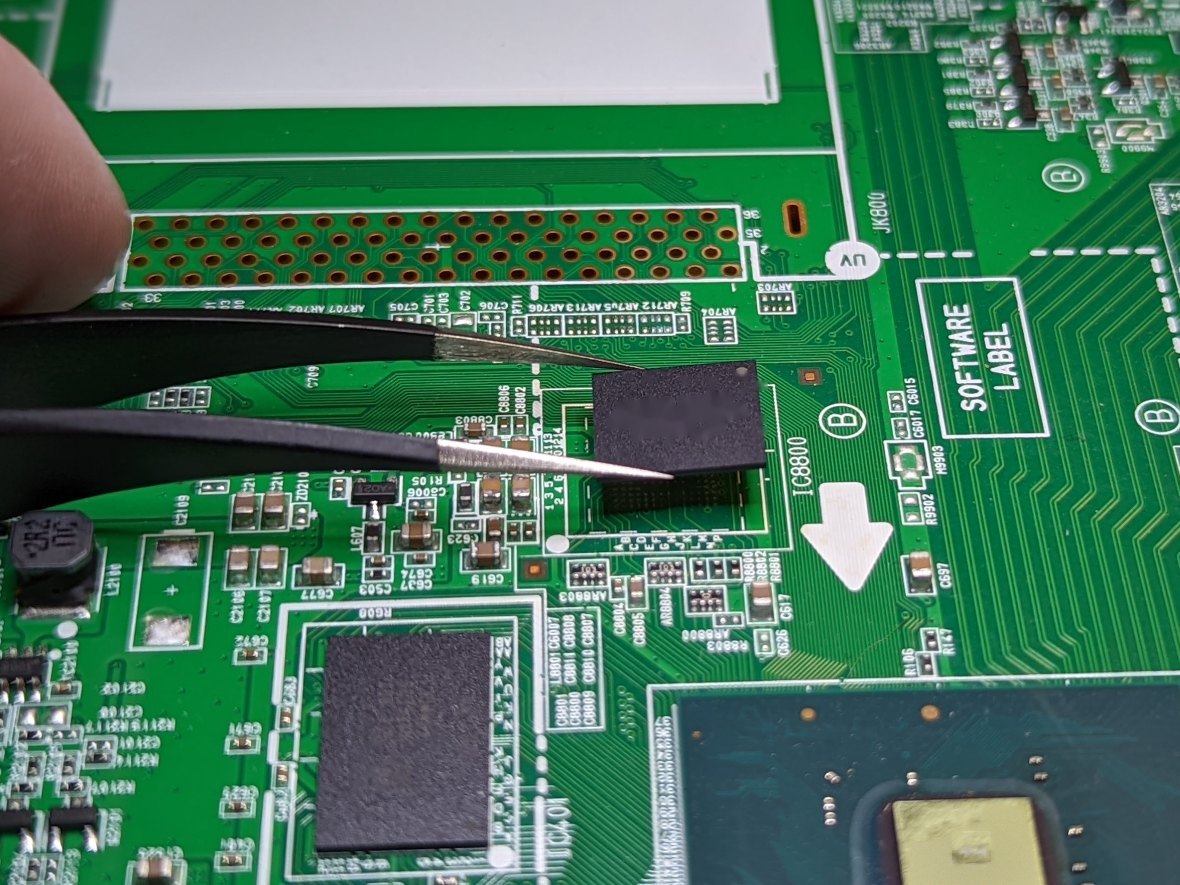
We remove the flash memory chip from the circuit board with a hot-air reflow station, and re-ball BGA packages as needed so the chip can be read in a programmer socket.
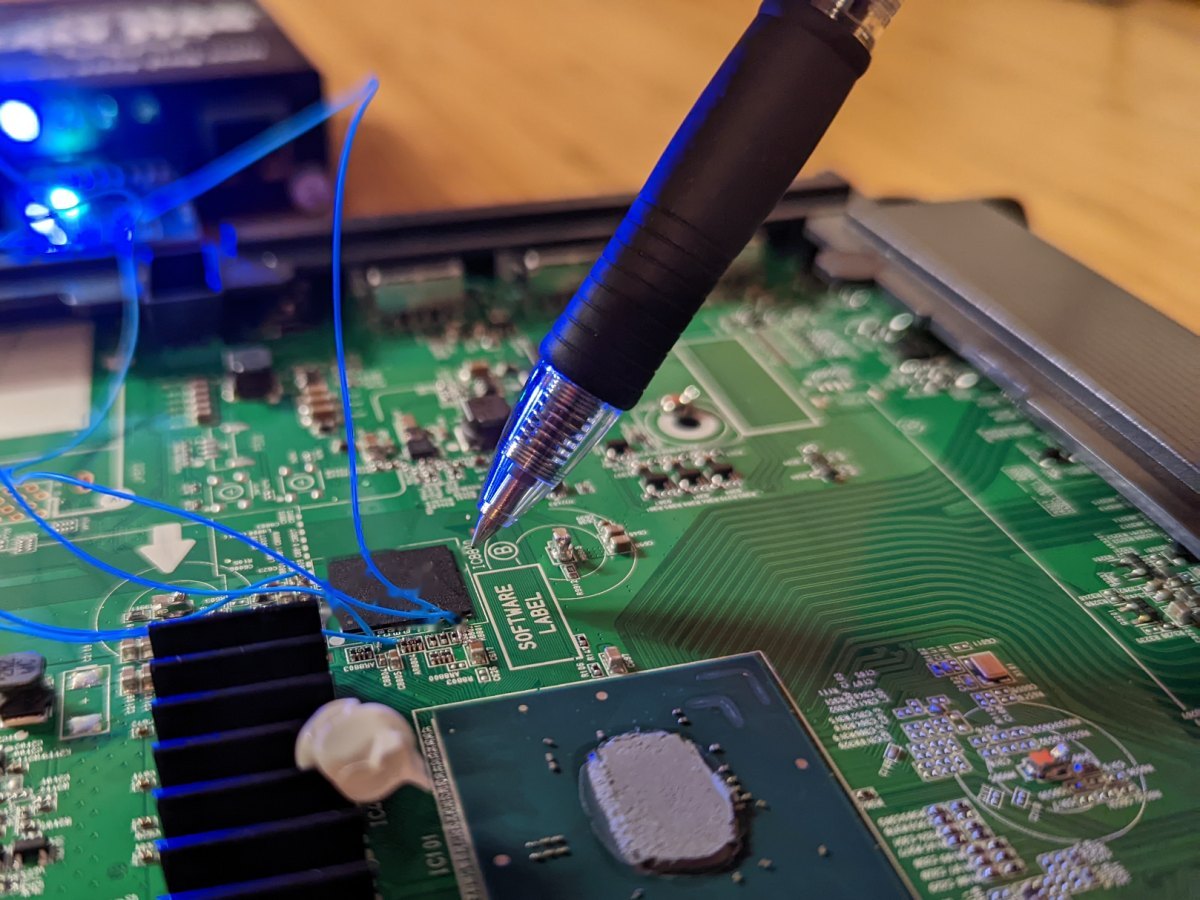
We read out the raw contents of the flash chip, either by reading the removed chip in a programmer or by soldering fine wires to the flash bus signals and reading the chip in place on the board. We then verify the copy, known as an image, and identify its major components.
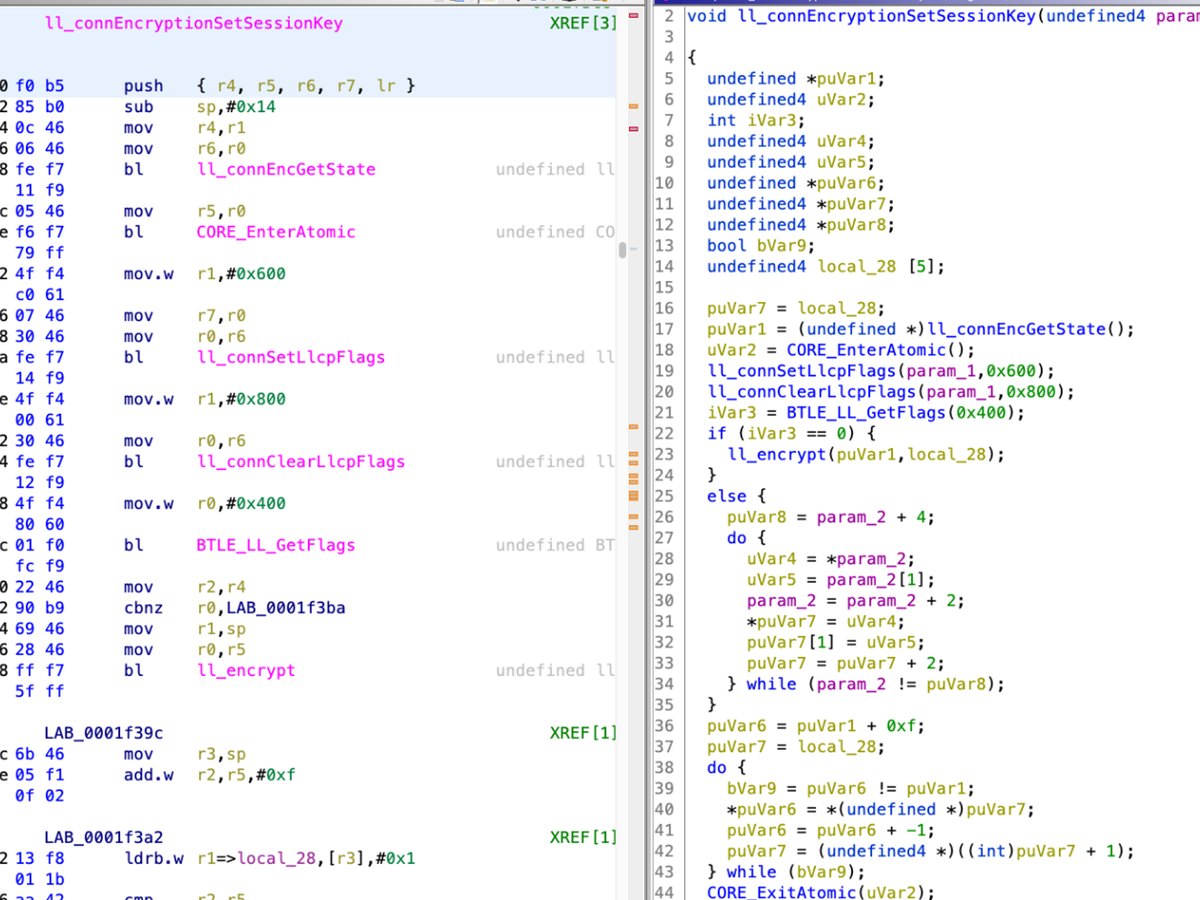
We take apart the firmware image, correct ECC and identify partitions and filesystems, decrypt and decompress as needed, then disassemble and decompile the software or firmware files of interest.
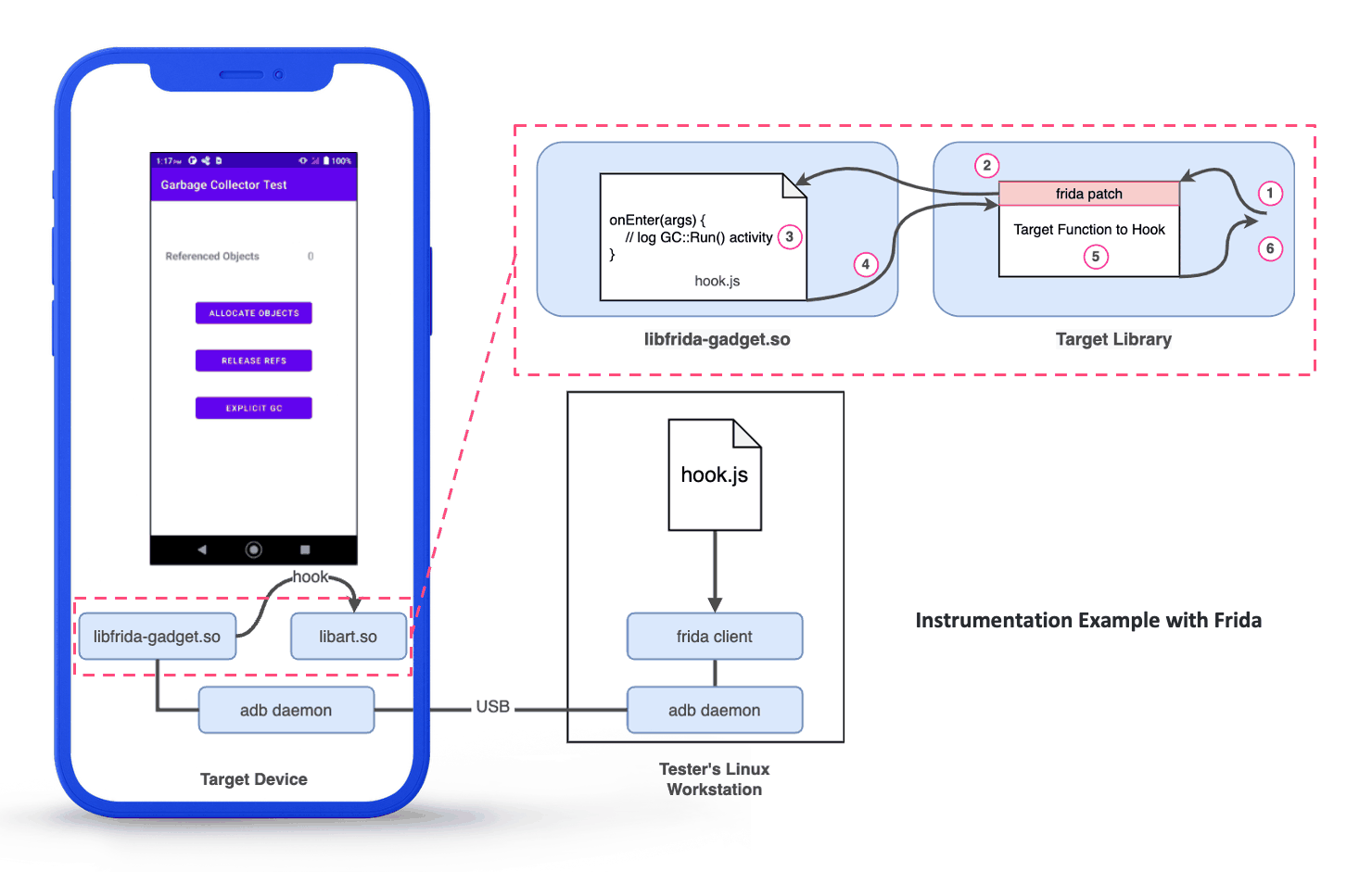
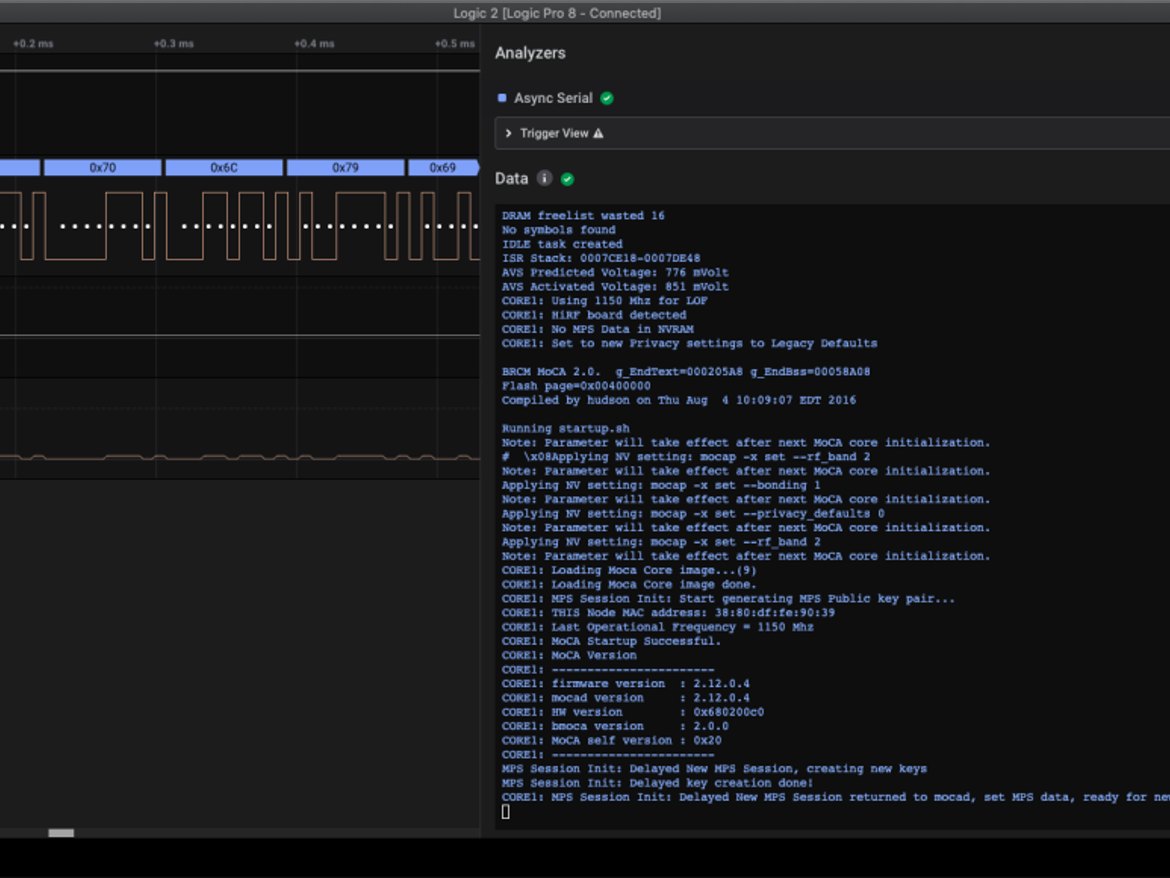
We locate and monitor the boot console, root the system using public or custom techniques, and hook or instrument the programs of interest to observe how they behave while running.
We operate the physical device by whatever means the analysis requires, from sending it data over its wired and wireless connections to using it by hand, to trigger and observe the behavior at issue.
We prepare an Evidence of Use document that steps through each claim element and sets out the evidence collected for it.
Lab testing
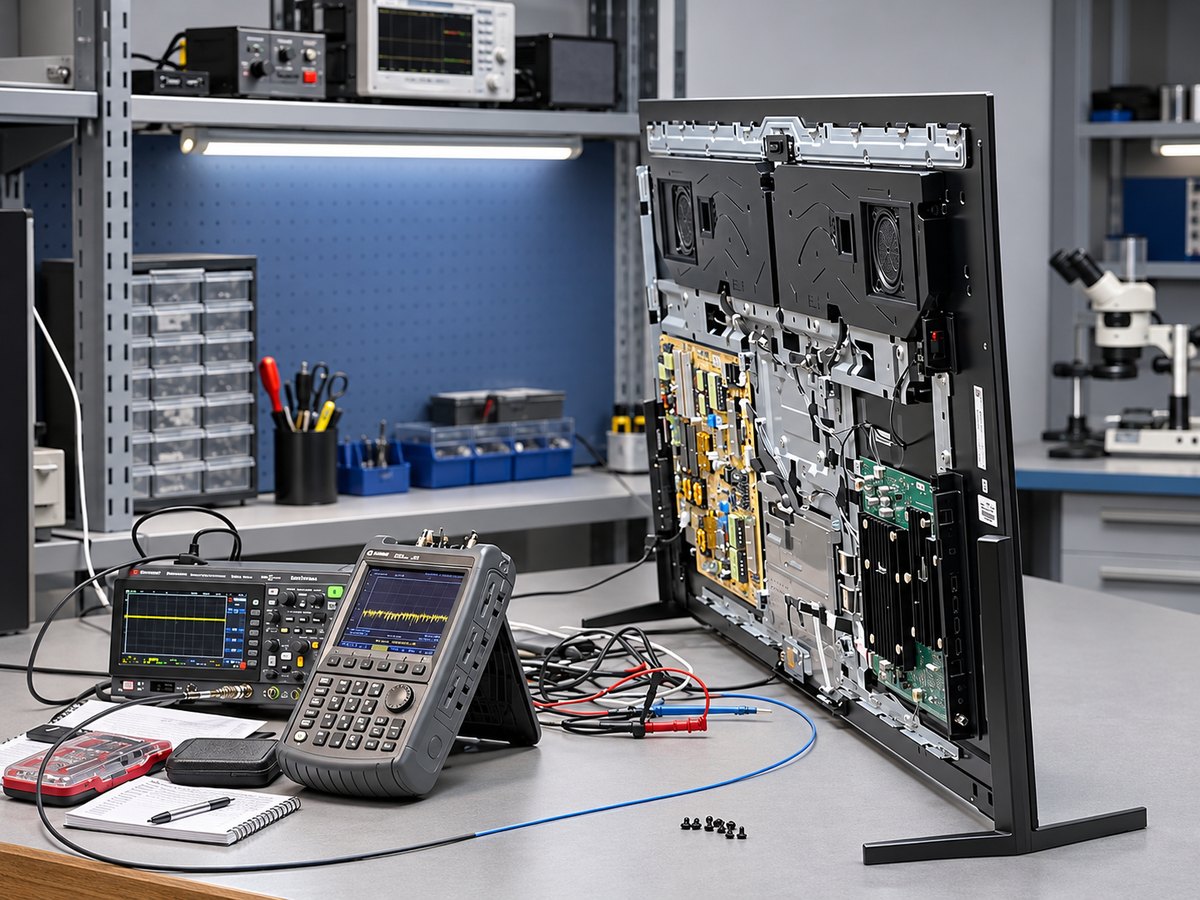
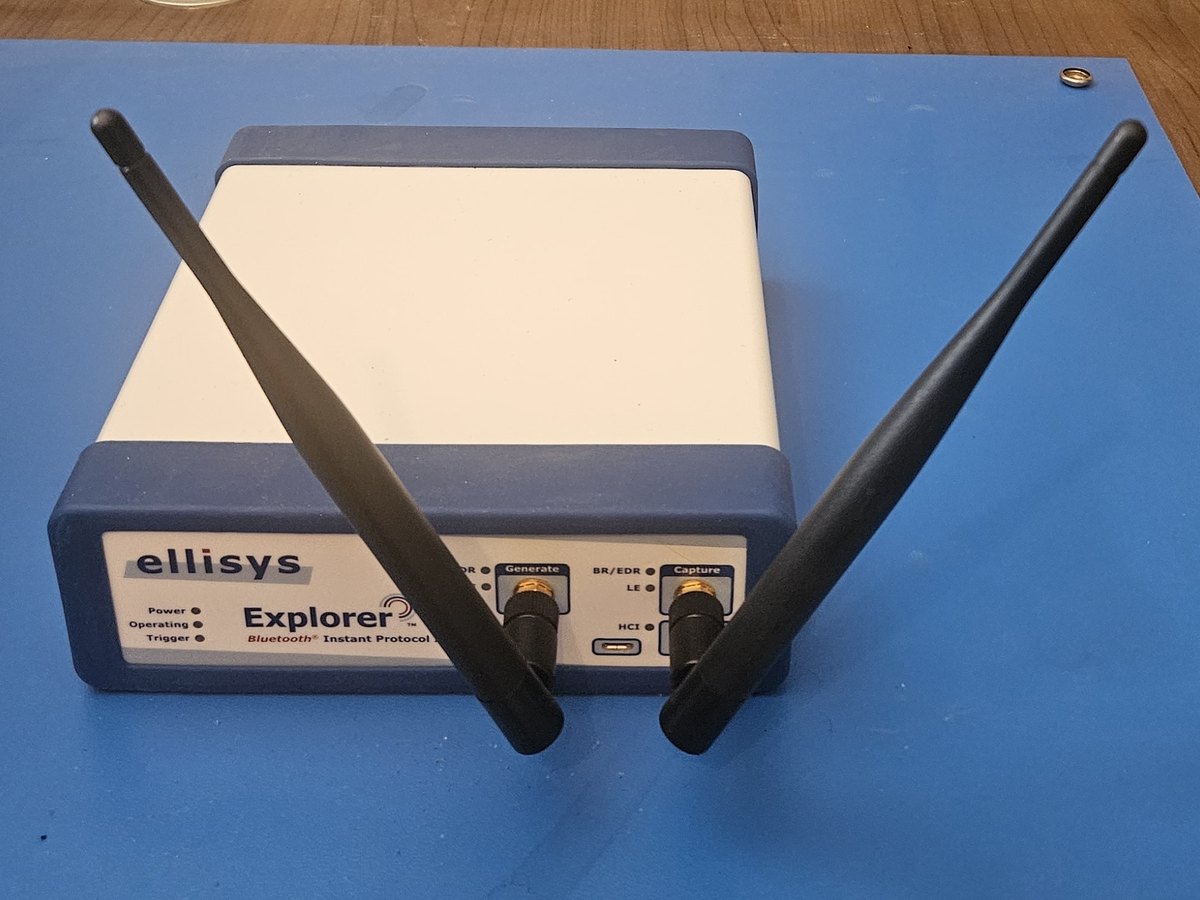
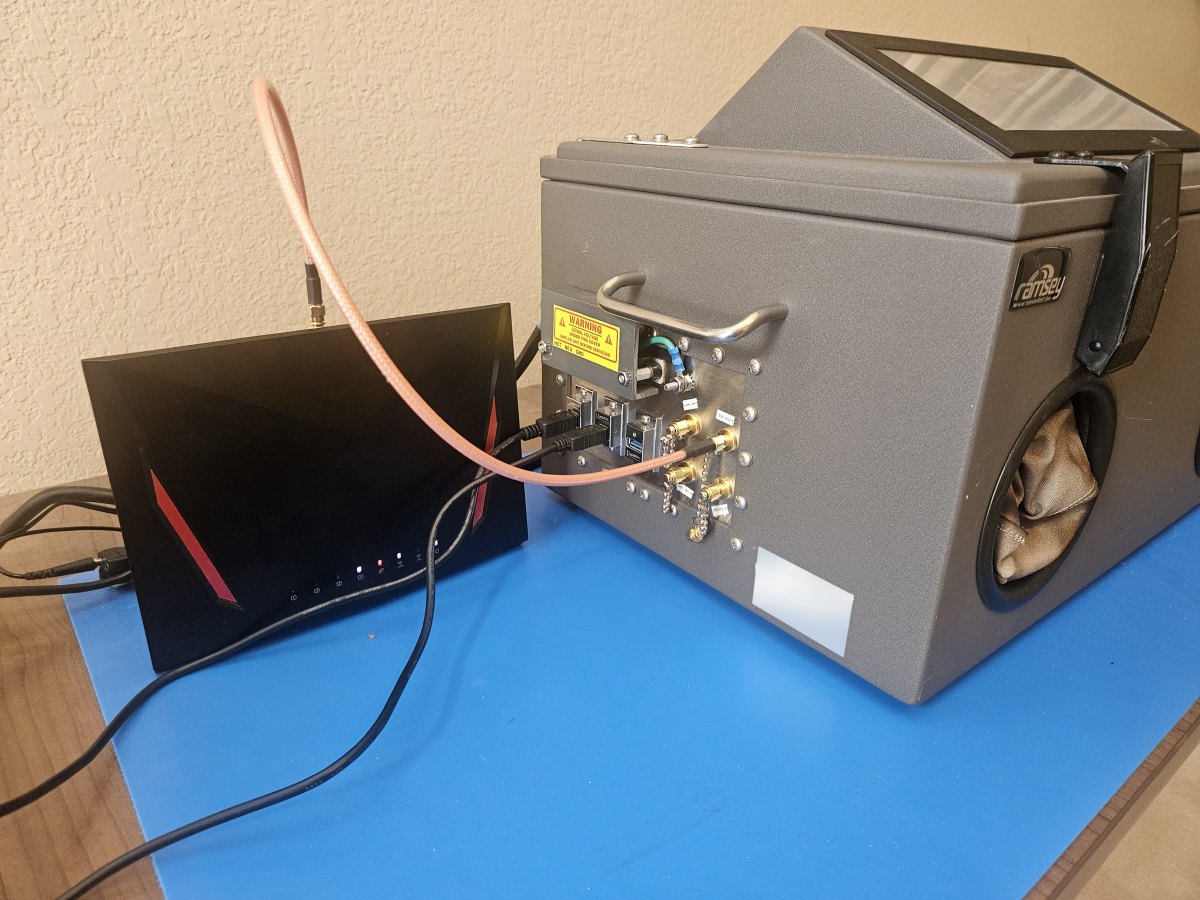
We configure the accused device in real-world conditions, trigger the behavior at issue, and capture evidence of use with wired and wireless instrumentation.
Lab testing is different from the product testing in our reverse engineering workflow. That testing is exploratory: we use it to learn how a device behaves. Lab testing is done for the record: it shows the device performing the behavior at issue, in captures that are documented and that another expert can reproduce.
Infringement & validity analysis
We help counsel build and vet infringement assessments before a complaint is filed, and identify which products in the market appear to practice the claims.
We do the same analysis for defendants assessing a claim against them: we compare the asserted claims with how the accused product works to develop non-infringement positions, and we analyze prior-art products and systems for invalidity.
For either side, the goal is a position that is technically sound, with its weak points identified before the other side finds them.
Portfolio due diligence & claim charts
Before you acquire, fund, or assert a portfolio, you need to know what it is worth. We read the patents against products and technologies in the market, develop and test claim charts, and identify which claims hold up and which do not.
The result is an engineering assessment, so an investment, acquisition, or assertion decision rests on how the claims map to products that ship today.
Patent mining
The value in a large portfolio is not always visible. We review a portfolio you own to identify the claims that appear to read on products in the market today.
The output is a ranked shortlist of patents for a licensing campaign, with the technical mapping done.
What we analyze
Our engineers hold electrical engineering, computer engineering, and computer science degrees and analyze from RTL and low-level assembly up through the software stack to cloud and web. Every service above draws on that range.
Representative, not exhaustive. The common thread is any device or system with firmware or software.
Static analysis
Disassembly and decompilation, partition and filesystem recovery, decryption and decompression of firmware images.
Dynamic analysis
UART and JTAG, rooting, Frida-style hooking and instrumentation, logic-analyzer and bus capture.
Hardware & lab
BGA rework and re-balling, flash programming, Wi-Fi, Bluetooth, Ethernet, USB, CAN, SPI, and I2C testing. RF and spectrum analysis.
Software development
When the analysis needs a tool, we build it, in C, Python, and assembly, from drivers and fuzzers to proof-of-concept demonstrations.
Plaintiff and defense experience on patent, copyright, and trade secret matters.
U.S. district and state courts, the ITC, PTAB, and the European Unified Patent Court.
Expert declarations, reports, and deposition and trial testimony.
Electrical engineering, computer engineering, and computer science degrees. Roots in national security software and firmware work since 2015.
How an engagement starts
Four steps from a first message to work under way.
Conflict check
Send us the names of the parties and a sentence about the technology. We check for conflicts before any substantive discussion.
Introductory call
You speak with an engineer who would work on the matter, about the technology and the questions you need answered.
Confidentiality
We sign a nondisclosure agreement, or the undertaking under the protective order, before we receive confidential material.
Scope and engagement
We propose the scope of work and who will do it. Work begins once an engagement letter is signed.
Have a matter where the evidence is inside the device?
Tell us about the patents and the products. We’ll tell you what the engineering can show.